Powering Farms With 100% Solar: The Road to Zero-Emission Agriculture
How off-grid solar and renewable energy make 24/7 greenhouse farming possible with zero greenhouse-gas emissions. The energy strategy behind Eight Orbit Urban Farms.
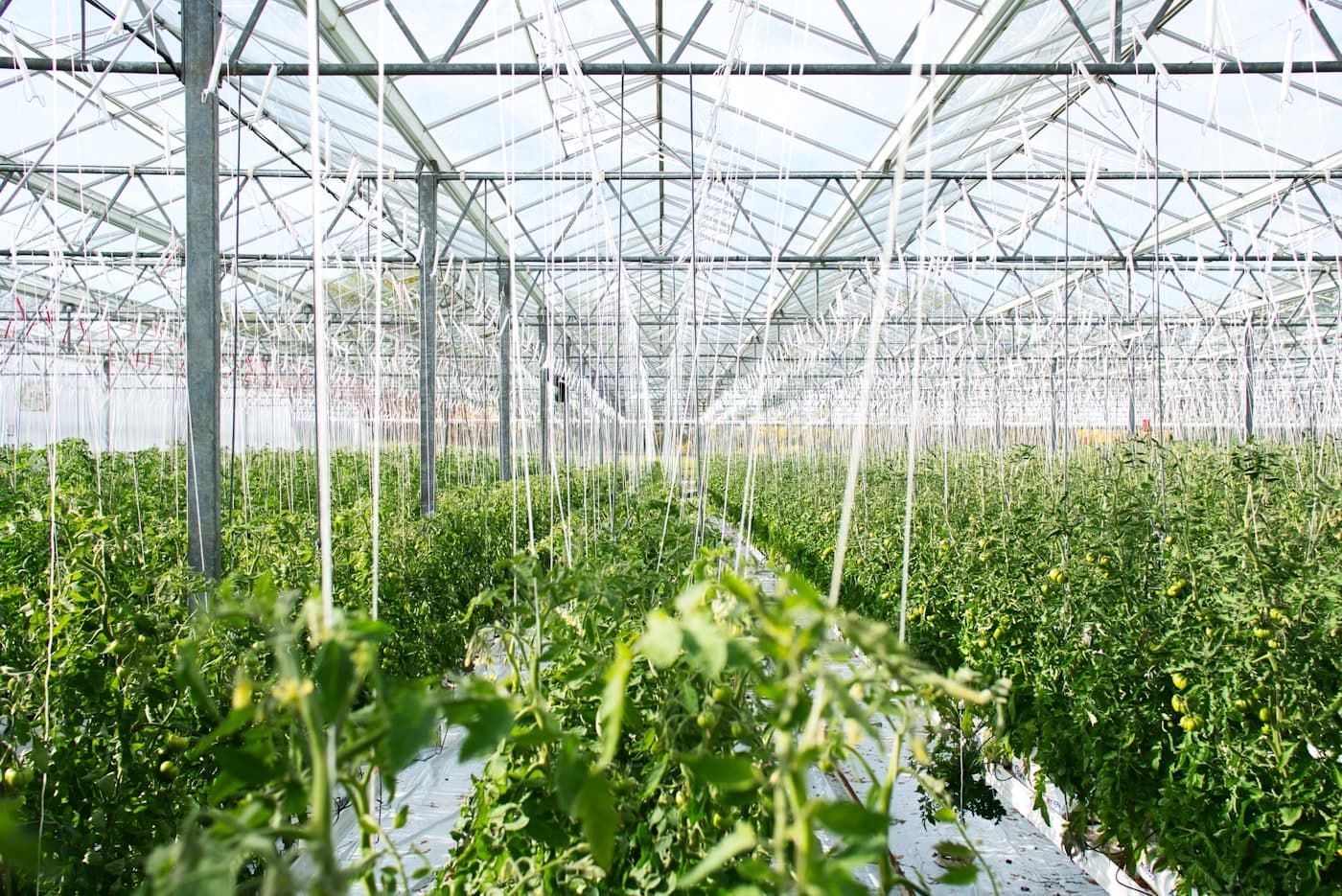
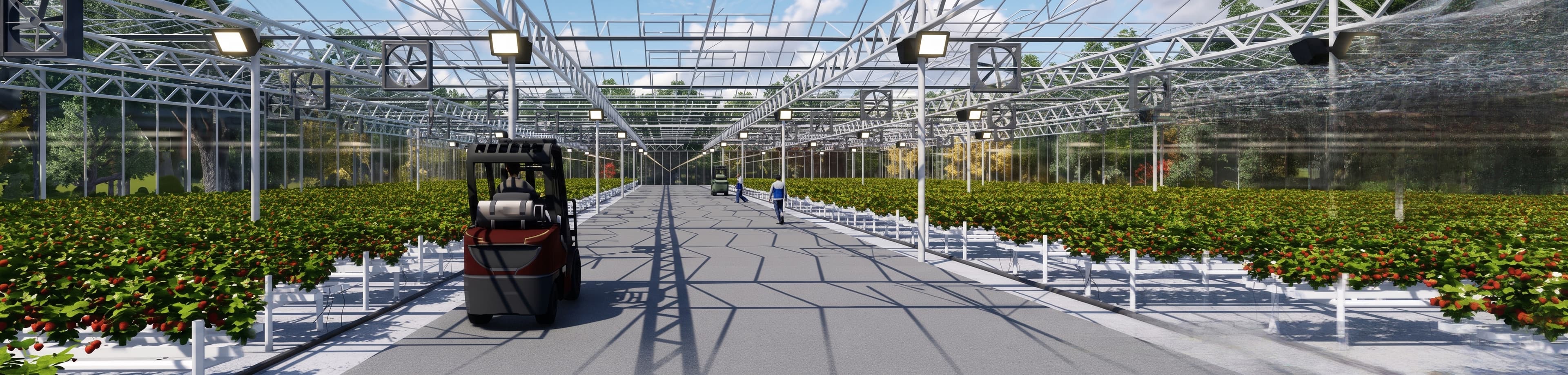
There is a catch hiding inside high-tech farming. Controlled Environment Agriculture can grow food with far less water and land, but keeping a greenhouse at the right temperature, running the pumps, and powering the lights around the clock takes energy. If that energy comes from diesel generators or a coal-heavy grid, you have simply swapped a water problem for a carbon problem.
The way out is to run the whole thing on clean, renewable power. At Eight Orbit Urban Farms, that means designing for 100% solar and renewable energy, with a target of zero greenhouse-gas emissions.
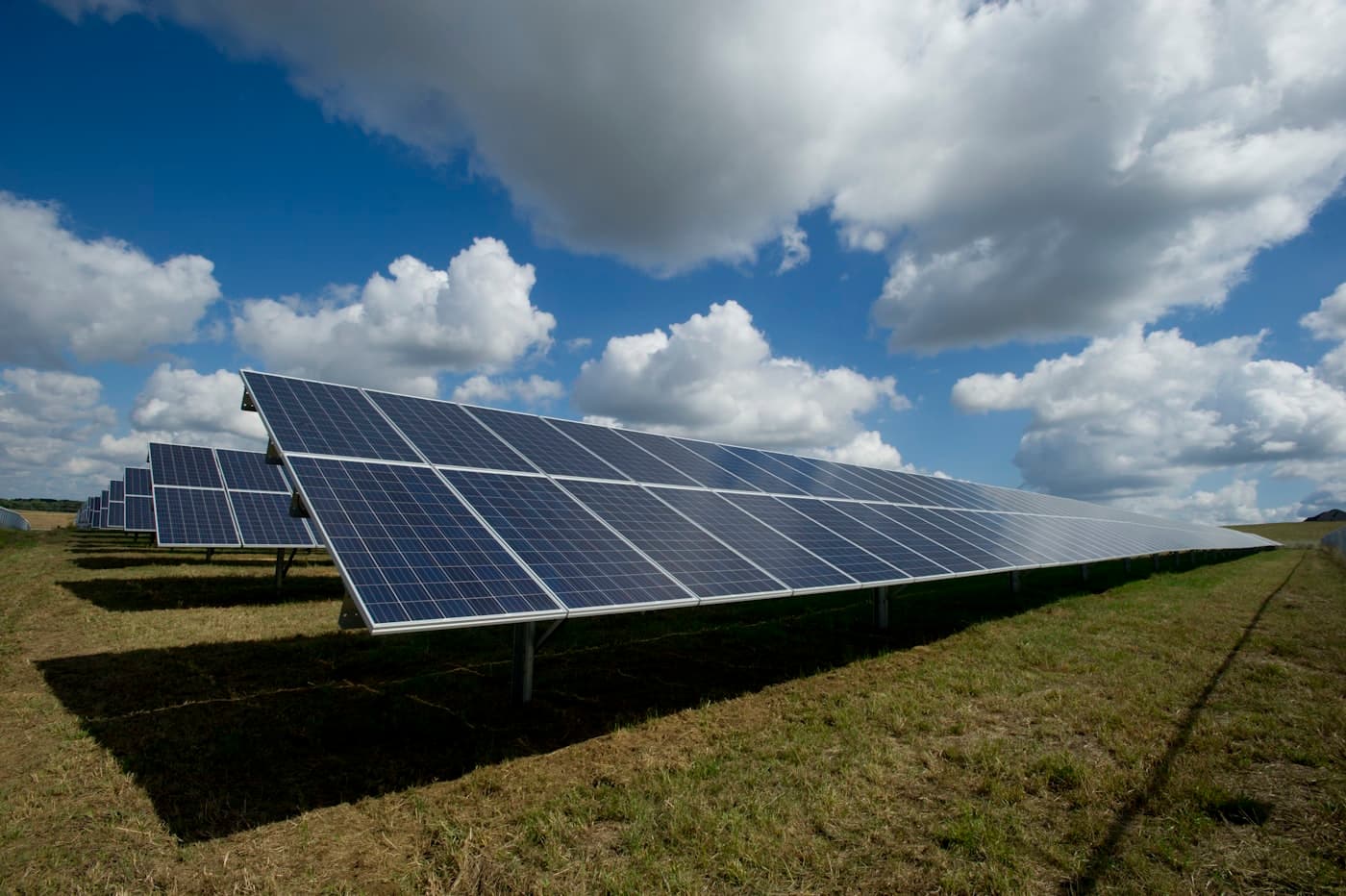
Why energy is the hidden factor in modern farming
Every advantage of Controlled Environment Agriculture depends on steady, reliable power. Climate control holds the temperature and humidity in the right range. Pumps move nutrient solution through our hydroponic channels. Sensors and smart controls watch conditions second by second. Even a short outage can stress a crop. In much of Africa, where grid power can be patchy and expensive, energy is not a small detail. It is the thing that decides whether reliable food production is even possible.
Why solar makes so much sense in Africa
Few places on Earth are better suited to solar power than sub-Saharan Africa. The continent gets some of the strongest year-round sunlight anywhere, yet it has used only a tiny slice of that potential so far. For a farm that needs steady daytime power to run its climate systems and lights, all that sunshine is a free, renewable resource waiting to be tapped.
Building on solar brings a stack of clear advantages:
- Energy independence. Making power on site means the farm is not stuck waiting on an unreliable or costly grid.
- Predictable costs. Sunlight is free, so once the panels are up, the fuel bill mostly disappears.
- Zero emissions from operations. Solar makes power without burning anything, which keeps our carbon footprint at the floor.
- Easy to scale. The array can grow along with the farm, panel by panel.
How a hybrid solar system runs a farm 24/7
A greenhouse still needs energy after the sun goes down, so a single row of panels is not enough on its own. The answer is a hybrid system that combines a few parts into one reliable whole:
- Solar panels make power during the day and run daytime operations directly.
- Battery storage saves the extra energy and releases it at night and on cloudy days.
- Smart energy management balances supply and demand and protects the most important systems first.
- Renewable backup keeps things running so the climate never drifts out of range.
Together, these layers give crops the one thing they need most, which is stability. The environment stays steady through the night, through bad weather, and through grid outages, which is what makes 365 days of continuous production possible.
Clean energy is not an add-on to sustainable farming. It is the engine that makes year-round, zero-emission food production possible in the first place.
What “zero-emission” really means
Aiming for zero greenhouse-gas emissions means looking at carbon across the whole operation, not just the electricity meter. It pulls a few commitments together:
- Clean power from solar and renewables instead of fossil fuels.
- Local production that cuts the emissions of trucking food long distances, a natural benefit of farming inside city limits.
- Efficient systems that use less water, less land, and less energy for every kilogram of food.
- Regenerative fields that keep carbon locked in the ground, as we explain in our piece on soil biogeochemistry.
Clean energy, real impact
The ripple effects of renewable-powered farming reach well past carbon math. Solar-driven farms create skilled local jobs in installation and maintenance. They show, at real commercial scale, that clean energy and productivity go together. And they line up with global goals for affordable clean energy and climate action, proving that African agri-tech can lead rather than follow.
For communities, the payoff is simple: fresh food grown nearby, reliably, without the pollution and price shocks of fossil fuels. For the planet, it is proof that we can feed a growing population without heating it up.
Powering the future of food
Renewable energy turns Controlled Environment Agriculture from an energy-hungry idea into a genuinely sustainable one. By building on 100% solar and renewable power with battery storage, Eight Orbit can grow premium food every day of the year with zero emissions from its operations. It is the clearest possible sign that the future of farming is both high-tech and clean.
See how energy fits the bigger picture in our overview of Controlled Environment Agriculture, look into the investment opportunity, or get in touch to join the mission.
Eight Orbit Urban Farms
Building the future of food in Africa.
See how our Controlled Environment Agriculture, precision hydroponics, and renewable-energy systems come together, or partner with us on the mission.