Controlled Environment Agriculture: Engineering Africa's Food Future
How Controlled Environment Agriculture (CEA) is reshaping food security across Africa, with year-round yields, climate resilience, and city-scale farming from Eight Orbit Urban Farms.
For most farmers in Africa, the whole year still hangs on one thing they cannot control: the weather. A rainy season that starts late, a heatwave that arrives early, or a pest outbreak can wipe out a harvest in days. When that happens, a family loses its income and a whole community loses part of its food supply. With the population growing fast and cities filling up, the old rain-fed way of farming just cannot keep up on its own.
This is the exact problem that Controlled Environment Agriculture, or CEA, was made to solve. It is also the idea that everything we do at Eight Orbit Urban Farms is built on. In this article we will walk through what CEA actually is, why it matters so much for Africa, and how the pieces fit together.
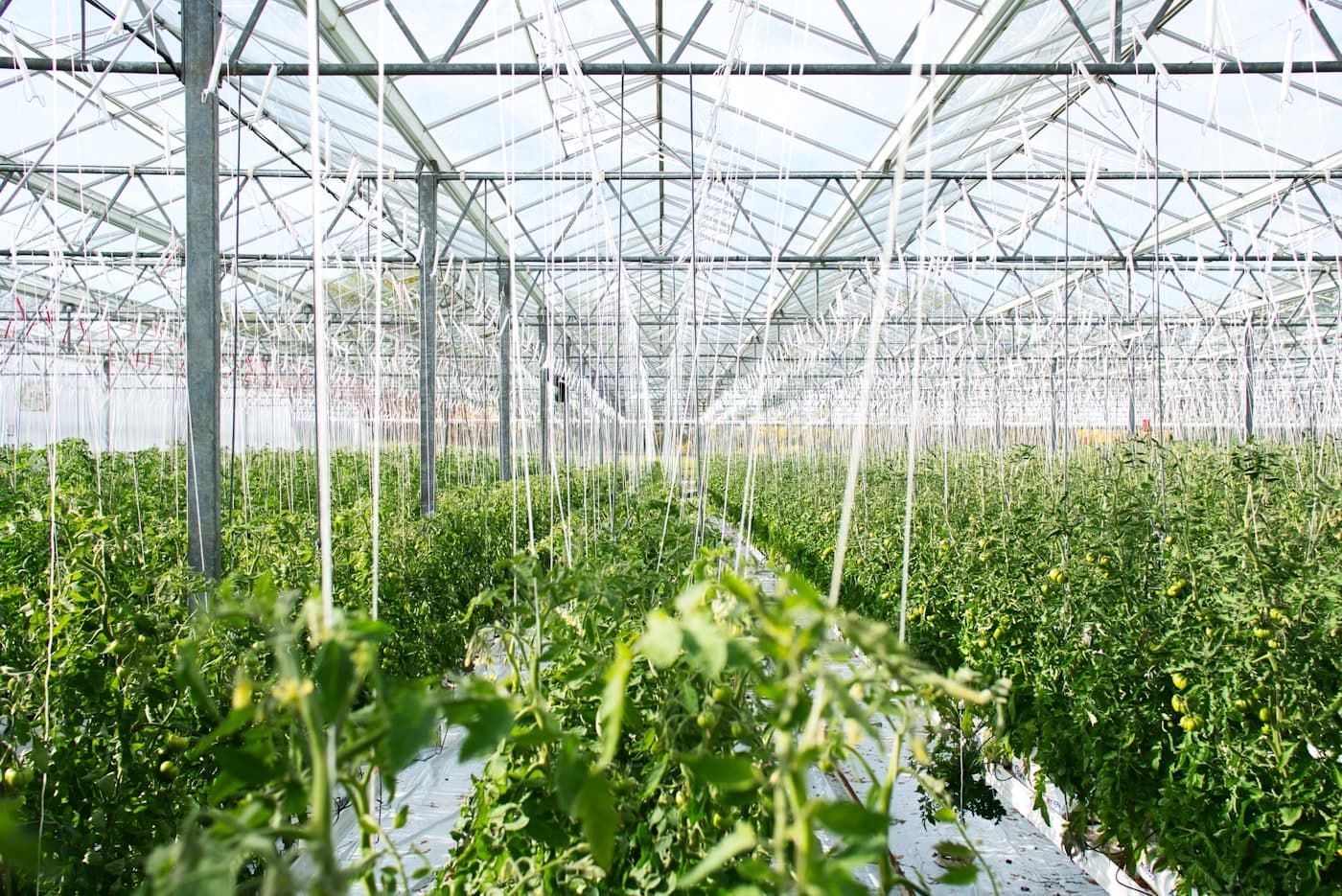
So what is Controlled Environment Agriculture?
The idea behind CEA is simple. Instead of leaving your crops at the mercy of whatever the weather does, you take control of the growing environment yourself. Temperature, humidity, light, carbon dioxide, water, and nutrients are all watched closely and adjusted as needed, so the plants stay in their happy zone every day of the year.
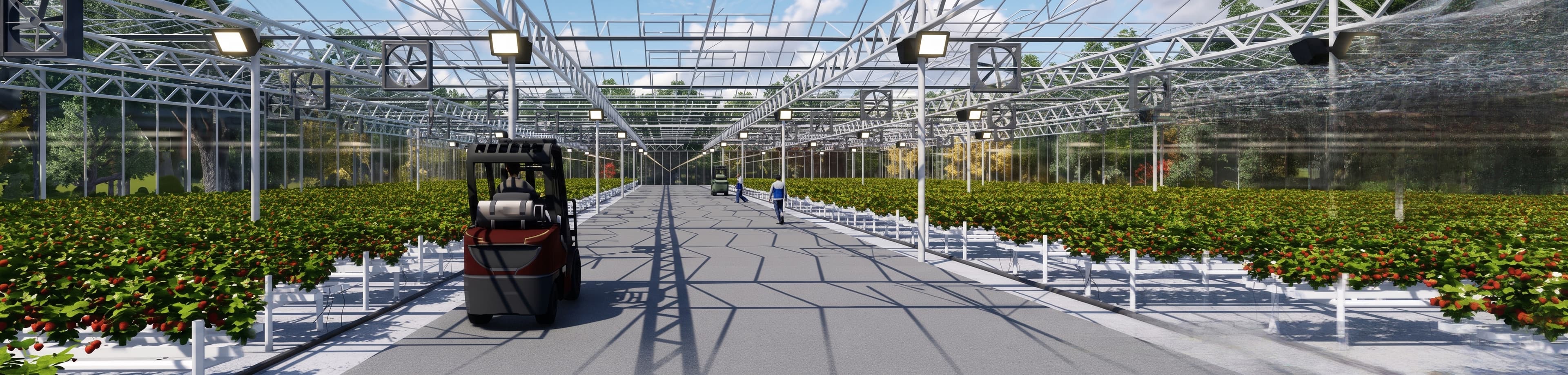
In practice, this covers a few different setups: high-tech greenhouses, indoor vertical farms, and hydroponic systems that grow plants without any soil. What ties them together is precision. Rather than reacting once a problem shows up, a good CEA facility keeps conditions so steady that the problem never starts. A strawberry plant in the middle of the dry season grows just like it would in a perfect spring.
Why Africa needs this now
The case for CEA on the continent is not just theory. A few pressures are all arriving at the same time:
- The weather is less predictable. Rain comes when it wants and heat is more extreme, which shortens the reliable growing window for open fields.
- Water is running short. Traditional irrigation wastes a huge amount of water. Closed systems use far less, which we break down in our guide to NFT hydroponics.
- Too much food spoils. A big share of what African farms grow goes bad before anyone eats it, mostly because farms sit far from the cities that need the food.
- Cities are growing fast. More people live in urban areas than ever, and rural supply chains struggle to keep them fed with anything fresh.
CEA takes on all four at once. Because you control the environment, the farm produces the same way in every season. Because the water goes round in a loop, it works even where rain is unreliable. And because these farms can be built compactly, they can sit right next to, or even inside, the cities they feed.
How Eight Orbit does it
Eight Orbit Urban Farms started with a clear goal: prove that world-class CEA belongs in Africa, built by Africans, for Africa. Our farms bring together AI-driven climate control, precision hydroponics, and fully renewable energy in one system that keeps running no matter what. The plan is bold on purpose. We want to become the largest Controlled Environment Agriculture company on the continent, growing vegetables, fruit, and staple crops all year.
That ambition sits on real science, not slogans. Our founder, Dr. Christina Timi Igono, is an award-winning soil biogeochemist, and her research into soil fertility and greenhouse gases shapes how we think about growing food responsibly, both indoors and out in regenerative fields.
Farming right where the people are
One of the best things about CEA is that it changes where you can farm. A controlled environment does not need endless acres of rich, well-watered land, so a productive farm can sit close to a city, or even inside one. That is a big part of our model: put farms near the people, so food travels a short distance from harvest to shelf.
The benefits stack up quickly. Shorter trips mean fresher, more nutritious food and a lot less waste. Local farms create local jobs. And a city that grows a real share of its own food is far more secure when national or global supply chains get shaky.
More food, smaller footprint
People often assume high-tech farming must be less efficient than simply planting more land. It is actually the other way around. A well-designed CEA facility can grow several times more per square meter than an open field, because the plants grow faster and denser, with almost no losses to pests or drought. Our systems are built to deliver up to six times the yield of traditional farming, using up to 95% less water, with no herbicides or pesticides at all.
Just as important, that output does not cost the planet. Our farms run on renewable power and aim for zero greenhouse-gas emissions. We explain exactly how in our piece on solar-powered, zero-emission farming.
The parts that make it work
CEA is not one clever gadget. It is a set of systems working together, and three of them do most of the heavy lifting:
- Precision hydroponics feed oxygen-rich nutrients straight to the roots while recycling the water in a closed loop.
- AI and sensors watch the environment second by second and fine-tune light, humidity, and CO₂ to keep plants at their best.
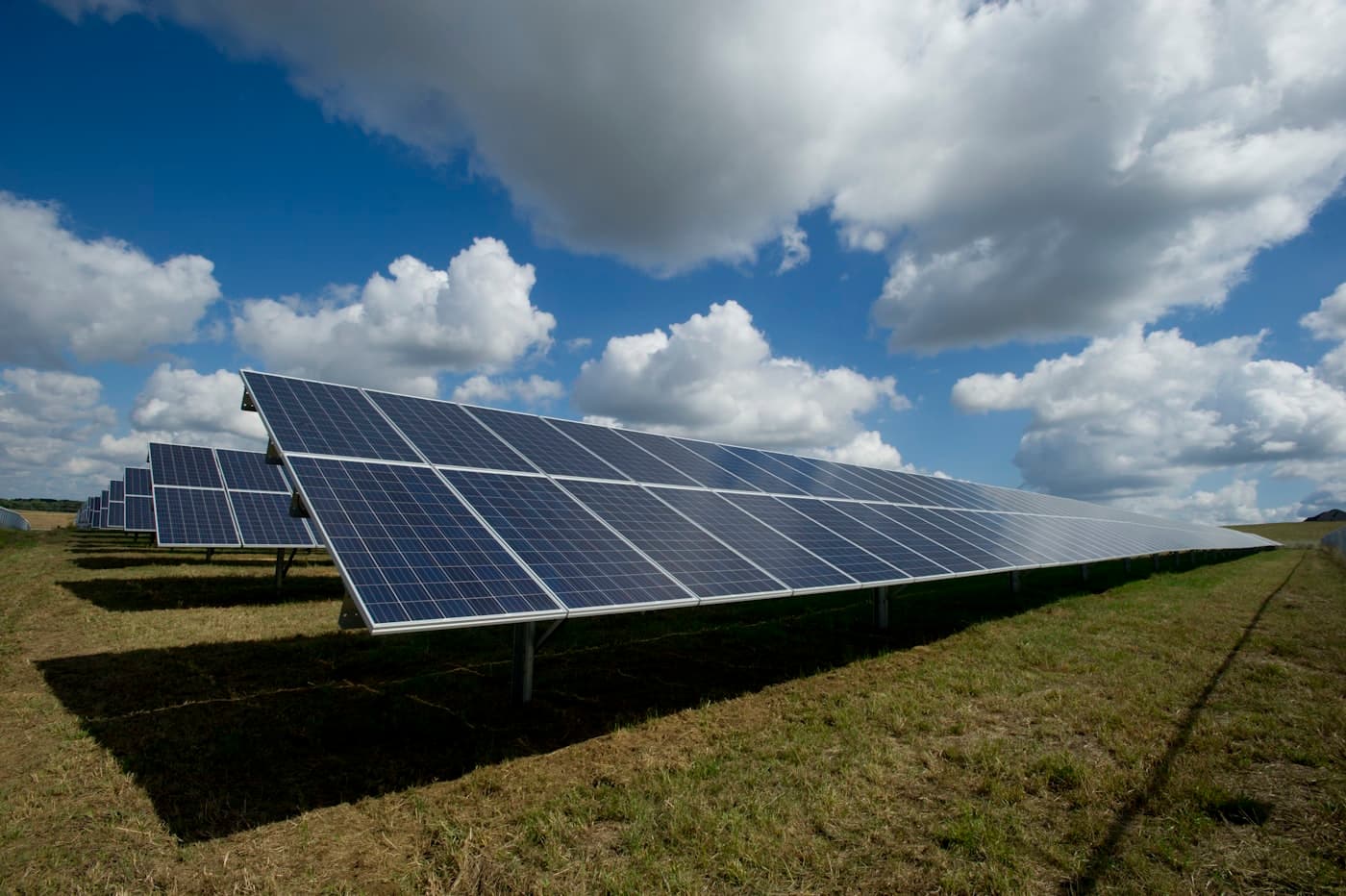
- Renewable energy powers all of it around the clock, so food production no longer depends on fuel or an unreliable grid.
Underneath all of it is a real understanding of plants and soil. Even in a soilless setup, the lessons of soil biogeochemistry guide how we balance nutrients and think about long-term fertility in our open fields.
What it means for food sovereignty
Food sovereignty goes a step beyond food security. It means a community decides how its food is grown, by whom, and on what terms. CEA fits that goal well because it keeps production local, cuts reliance on imports, and builds technical skills that stay in the community. Every farm we open is also a place to learn, with jobs, internships, and scholarships for the next generation of African agricultural scientists.
None of this happens overnight, and open-field farming will still matter for years. But CEA gives a continent something rain-fed farming never could: a steady, efficient, weather-proof layer of food production it can count on and build from.
The future is being built today
Controlled Environment Agriculture turns farming from a bet against the weather into a careful, repeatable science. For a young, fast-growing, urbanizing Africa, it is one of the clearest ways to feed itself with independence and pride. At Eight Orbit, we are building that future one greenhouse at a time.
Want to see how it all connects? Read about our company and mission, look into the investment opportunity, or get in touch to work with us.
Eight Orbit Urban Farms
Building the future of food in Africa.
See how our Controlled Environment Agriculture, precision hydroponics, and renewable-energy systems come together, or partner with us on the mission.