Soil Biogeochemistry: The Science Beneath Regenerative Farming
Why the living chemistry of soil is the foundation of sustainable food systems, and how soil biogeochemistry guides Eight Orbit's regenerative open-field agriculture.
We tend to think of soil as dead, just brown stuff that plants happen to sit in. The truth is far more interesting. A single handful of healthy soil holds more living things than there are people on the planet. Soil is a busy, living engine, and learning how it runs is the key to farming that heals the land instead of wearing it out.
That field of study has a name: soil biogeochemistry. It also happens to be the science at the heart of Dr. Christina Timi Igono's research and the foundation that Eight Orbit Urban Farms was built on.
What is soil biogeochemistry?
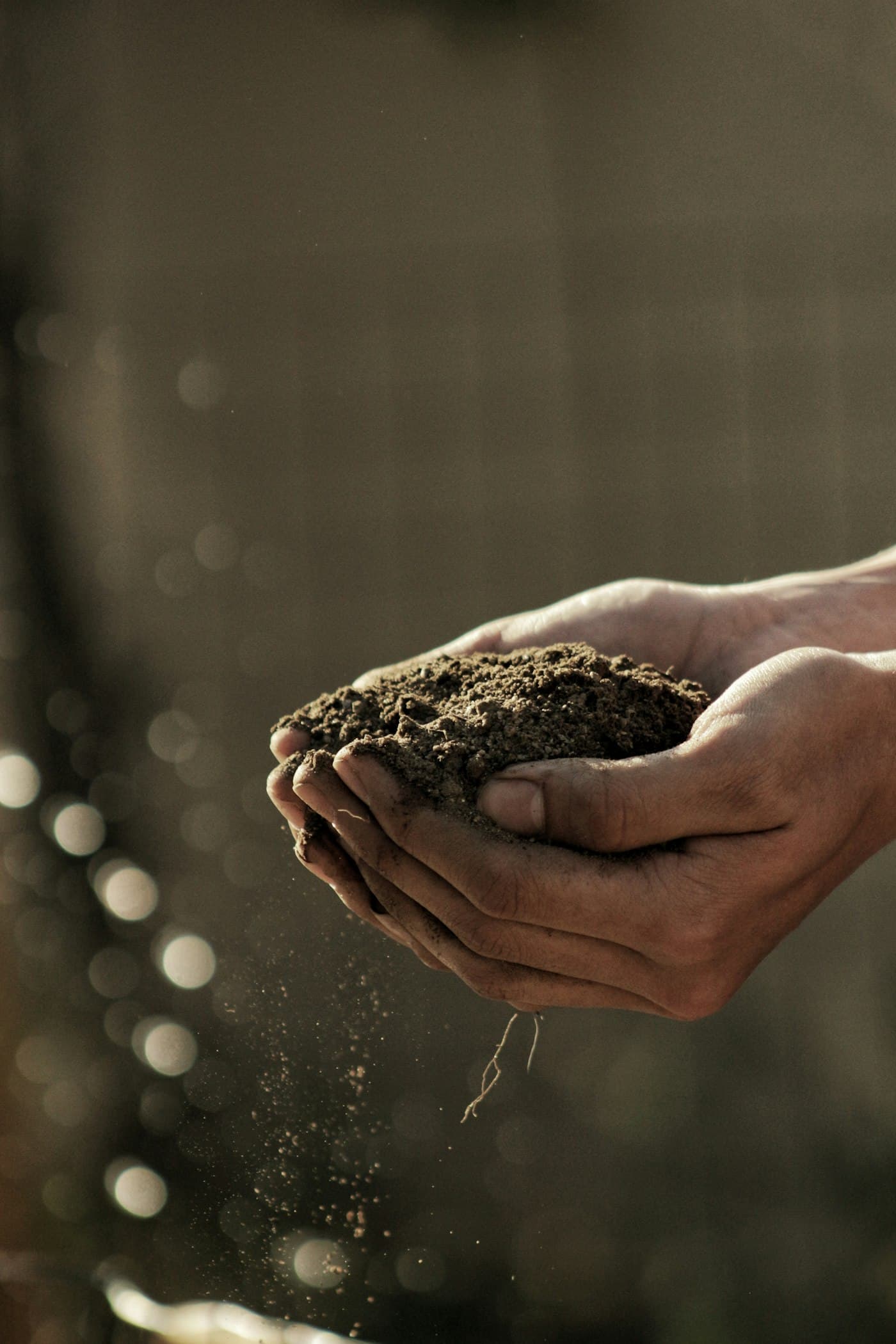
Soil biogeochemistry looks at how living things, chemistry, and the minerals of the earth all work together in the ground. It follows how carbon, nitrogen, phosphorus, water, and countless microbes move through the soil, building fertility, storing carbon, and either releasing or capturing greenhouse gases as they go.
A good way to picture it is as the soil's metabolism. When that metabolism is healthy, the ground holds water, feeds plants steadily, resists erosion, and locks carbon safely underground. When it is worn down, stripped of organic matter and life by heavy tillage and too many chemicals, the soil becomes little more than a lifeless medium propped up by synthetic inputs.
The living world under our feet
Healthy soil is like a crowded city. Bacteria and fungi break down dead material into food that plants can use. Certain fungi reach out and extend the plant's roots, trading sugar for minerals. Worms and insects mix and air out the ground. Together, this underground crew does jobs no bag of fertilizer can match:
- Recycling nutrients, turning dead matter into food plants can absorb.
- Holding water, since organic matter acts like a sponge through dry spells.
- Fighting disease, because a rich mix of microbes crowds out many harmful ones.
- Storing carbon, as soils hold more of it than the atmosphere and all plants combined.
From a rice study to a farming company
Eight Orbit's story starts with exactly this science. While studying how calcium oxide affected rice growth, soil fertility, and soil microbes in a controlled greenhouse, our founder saw a bigger opportunity. If you could understand and fine-tune the chemistry of a growing environment that precisely, you could grow food reliably almost anywhere. That idea became the seed of the company.
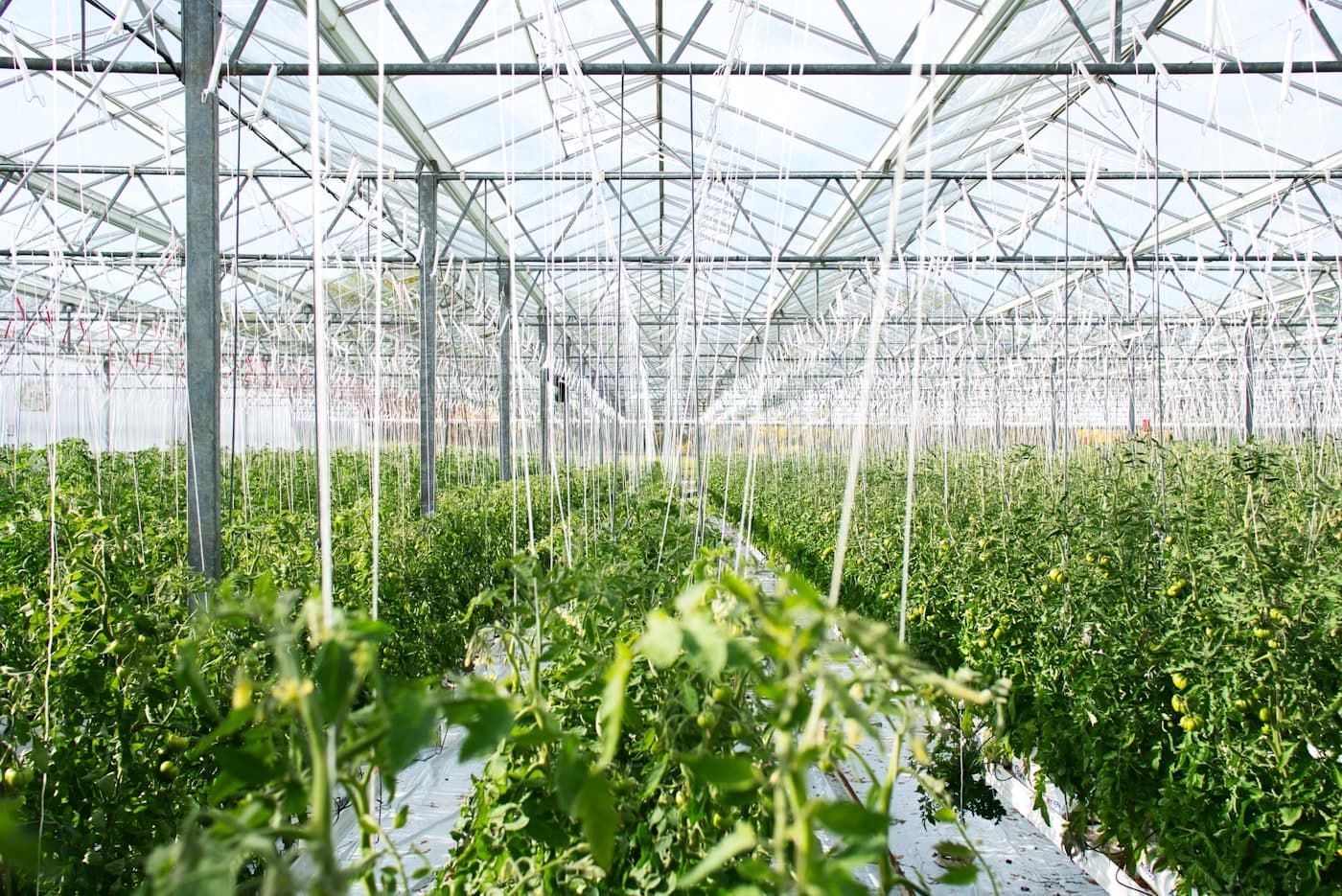
It is why our approach is never only about clever hardware. Even our soilless hydroponic systems lean on a deep understanding of how nutrients and microbes behave, and that knowledge comes straight from soil biogeochemistry.
You cannot build a truly sustainable food system without first understanding the living chemistry of the ground it grows from.
What regenerative farming really means
“Regenerative” is a popular word these days, but it has a clear meaning: farming that leaves the land healthier than it found it. Where conventional farming often drains the soil over time, regenerative practices rebuild it, adding organic matter, life, and fertility season after season. The main ideas are:
- Disturb the soil less, so its structure and microbe networks stay intact.
- Keep the soil covered with cover crops and plant residue to stop erosion and feed soil life.
- Grow more variety, rotating crops and encouraging a rich mix of life above and below ground.
- Bring the biology back, using microbes and organic matter to restore tired fields.
Soil and the climate
Soil sits right in the middle of the climate conversation, because it can either release greenhouse gases or soak them up. Poorly managed land lets stored carbon and nitrous oxide escape into the air. Healthy, living soil does the opposite, pulling carbon out of the sky and holding it in the ground.
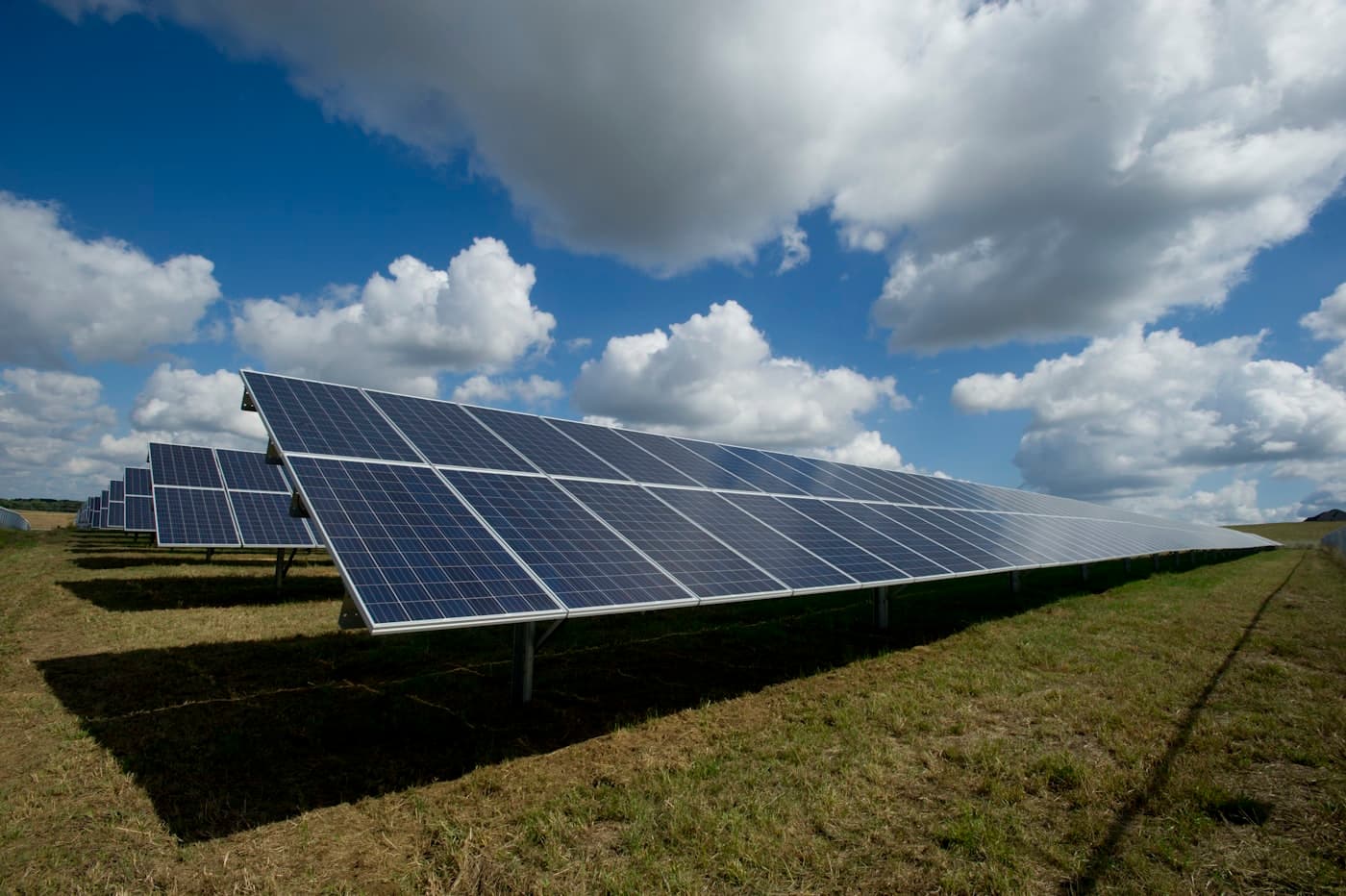
That is why rebuilding soil and cutting emissions go hand in hand. At Eight Orbit, our commitment to sustainability covers both our indoor systems, powered by 100% renewable energy, and our regenerative open fields, where the goal is to restore fertility while keeping carbon where it belongs, in the soil.
Two paths, one belief
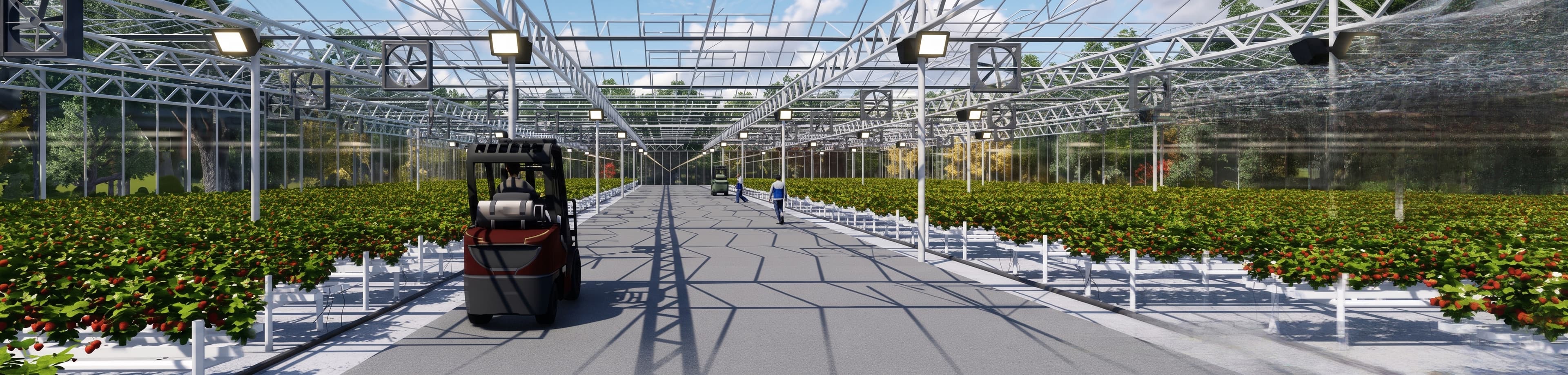
People sometimes ask why a high-tech farming company also cares about open-field soil. The answer is that both come from the same belief: work with living systems, not against them. Indoors, we recreate perfect conditions with precision hydroponics and climate control. Outdoors, we rebuild the natural fertility of the land itself. In both cases, understanding nutrients, microbes, and chemistry is what separates taking from the land and giving back to it.
The foundation of a resilient food system
Soil biogeochemistry might sound academic, but it is deeply practical. It decides whether farmland stays productive for generations or turns to dust in a decade. It shapes how much water we need, how much carbon we store, and how nutritious our food really is. By putting this science at the center of our work, Eight Orbit is building a food system designed to regenerate the land, the climate, and the communities it serves.
See how this science scales up in Controlled Environment Agriculture, meet the scientist behind it, or connect with our team to learn more.
Eight Orbit Urban Farms
Building the future of food in Africa.
See how our Controlled Environment Agriculture, precision hydroponics, and renewable-energy systems come together, or partner with us on the mission.