How NFT Hydroponics Grows More Food With 95% Less Water
A plain-English guide to Nutrient Film Technique (NFT) hydroponics, the closed-loop system that lets Eight Orbit grow premium produce using up to 95% less water than open fields.
Farming uses more fresh water than anything else we do. Around 70% of the water people pull from rivers, lakes, and wells goes to agriculture. In a hotter, drier world, that number is a serious problem, especially in places where every liter is precious. The good news is that we already have a way to grow more food with a lot less water.
It is called the Nutrient Film Technique, or NFT hydroponics, and it is one of the main systems behind the produce at Eight Orbit Urban Farms. Let us walk through how it works, in plain language, and why it saves so much water.
What hydroponics actually means
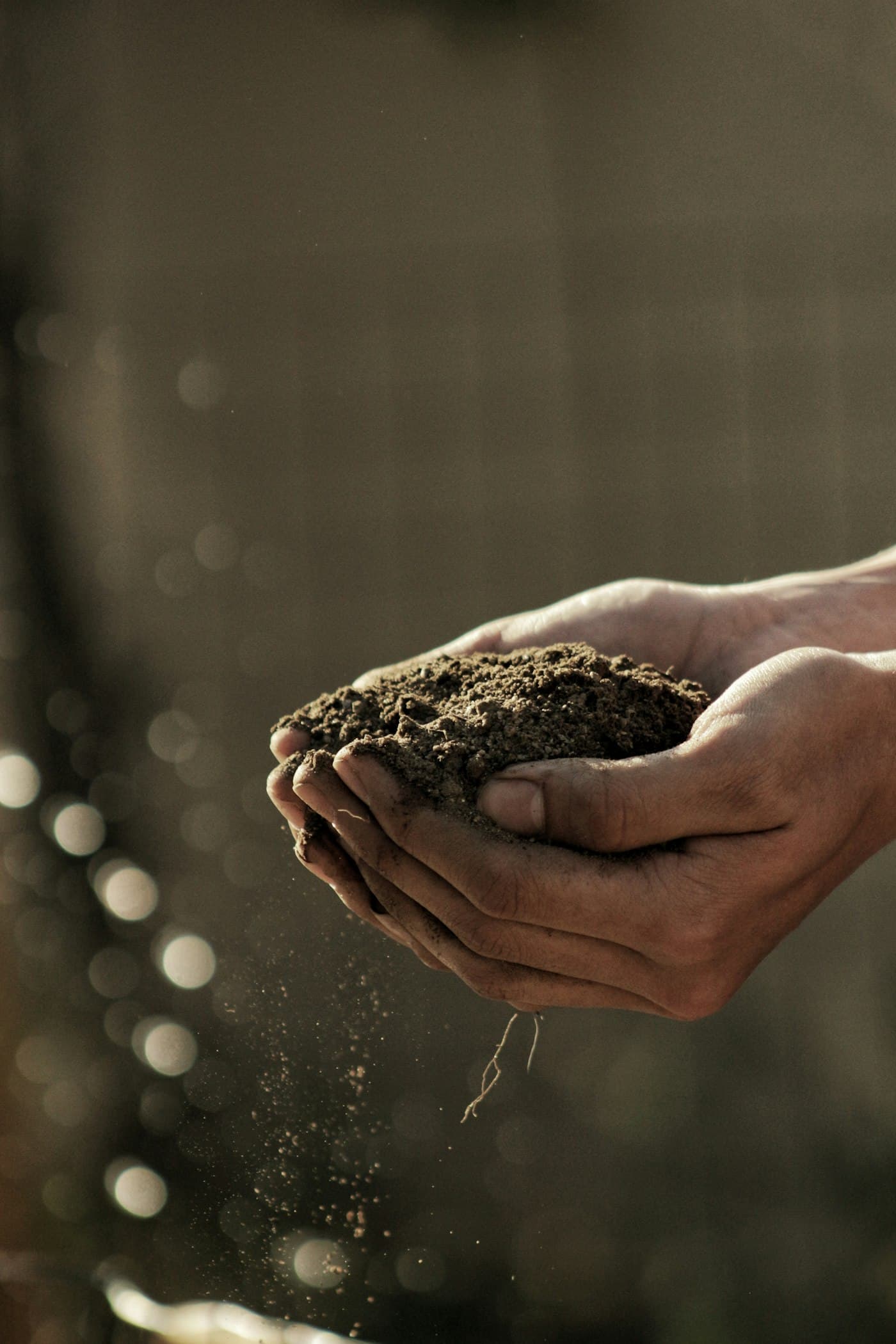
Hydroponics just means growing plants without soil. Instead of pulling food from the ground, the plants get a carefully mixed solution of water and minerals right at their roots. If you think about it, soil is mostly a delivery system anyway. It holds the plant up and passes along water and nutrients. Take the soil out, deliver those nutrients more directly, and plants often grow faster and cleaner.
There are several ways to do hydroponics. The one that works beautifully for leafy greens, herbs, and many fruiting crops is the Nutrient Film Technique.
How the Nutrient Film Technique works
Imagine a row of gently sloping channels. Plants sit in small holes along the top, and their roots hang down into the channel. A pump sends a very thin film of nutrient-rich water down each channel, so it runs over the root tips and then drains back into a tank to be used again. That is the whole loop, and it is surprisingly simple.
Because the film of water is thin, three good things happen at the same time:
- The roots are always fed. A steady flow means the plants are never hungry or thirsty, so they grow at their natural best.
- The roots also get air. Only the tips sit in water. The rest stay in humid air, so they get the oxygen they need and do not rot.
- Almost nothing is wasted. Any water and nutrients the plants do not use simply flow back to the tank and go round again.
Where the 95% water saving comes from
In an open field, most of the water you put down never reaches the plant. It evaporates off the soil, sinks below the roots, or runs off the surface. Studies suggest well over half of all irrigation water is lost this way.
NFT flips that around. Since the whole system is a sealed loop that keeps recycling, the only water that really leaves is the small amount the plants drink and breathe out. Everything else is caught and reused. That is how our systems get to roughly 95% less water use than normal farming, which is a huge deal in the dry season and in regions where water is scarce. It is one of the pillars of Controlled Environment Agriculture as a whole.
The same crop and the same harvest, using a fraction of the water and none of the runoff that pollutes rivers and drains aquifers.
Cleaner, safer, better-tasting food
Water is only half the story. Growing in a clean channel instead of open ground brings a whole set of quality benefits:
- No soil-borne pests or disease, which is why we can grow with zero herbicides and pesticides.
- Steady nutrition, because we set the exact mineral mix the plants receive rather than hoping the soil gets it right.
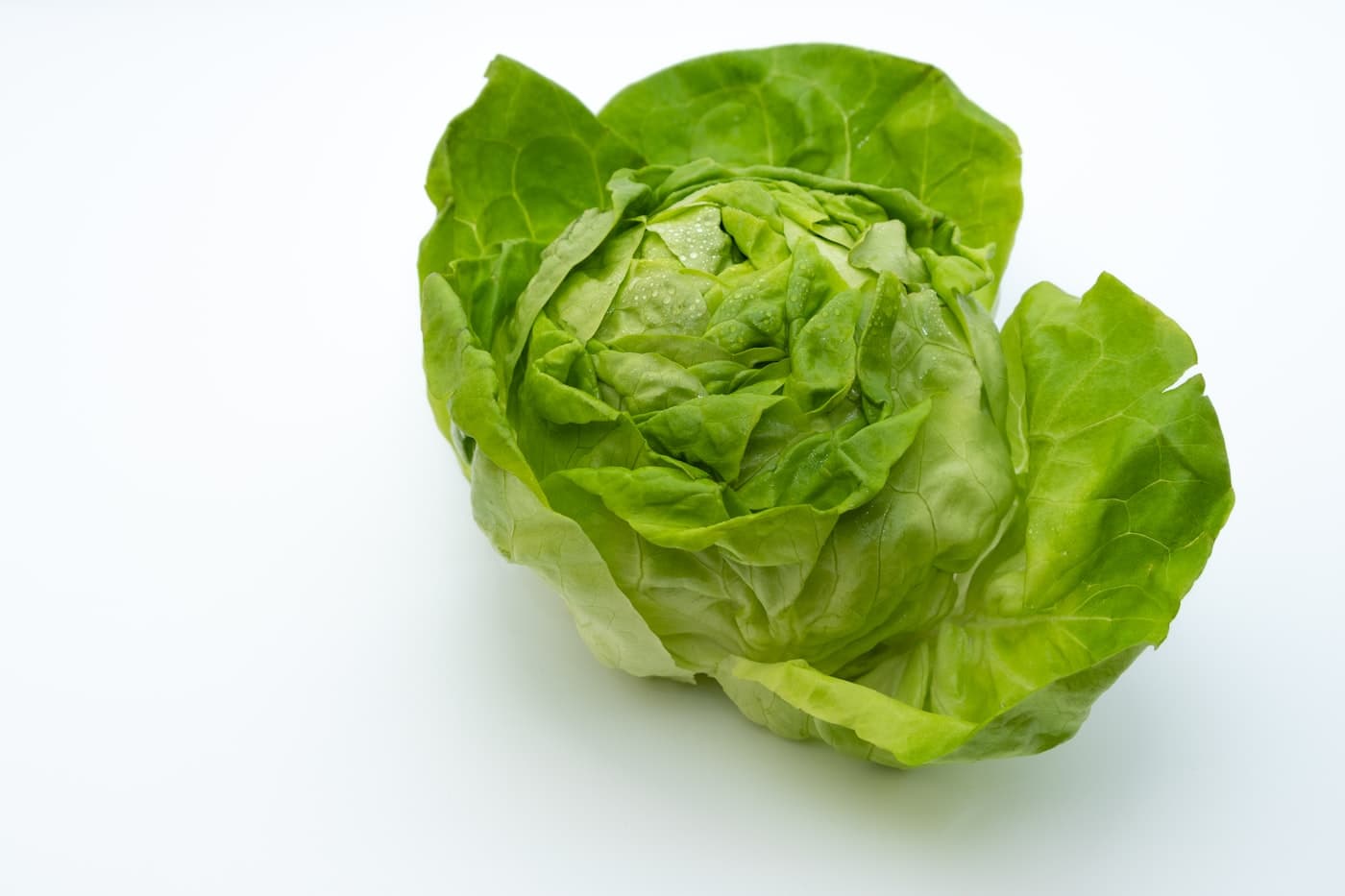
- Faster harvests, so crops like butterhead lettuce or basil are ready in weeks instead of months.
- Cleaner produce, often picked with living roots still attached, which keeps it fresh for longer.
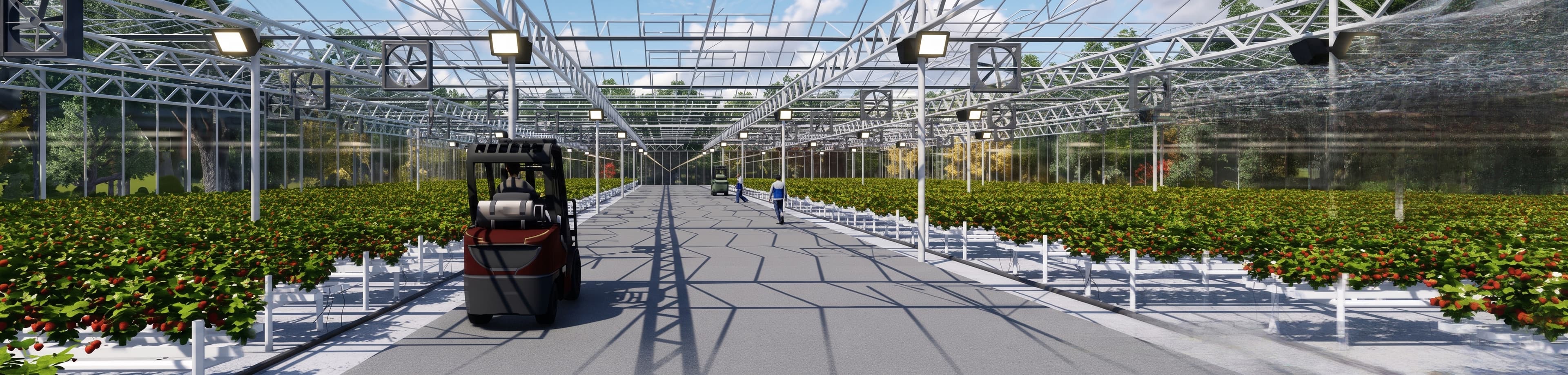
The result is food that is kinder to the planet and genuinely better on the plate: sweeter strawberries, crisper greens, and more fragrant herbs.
Precision is the secret ingredient
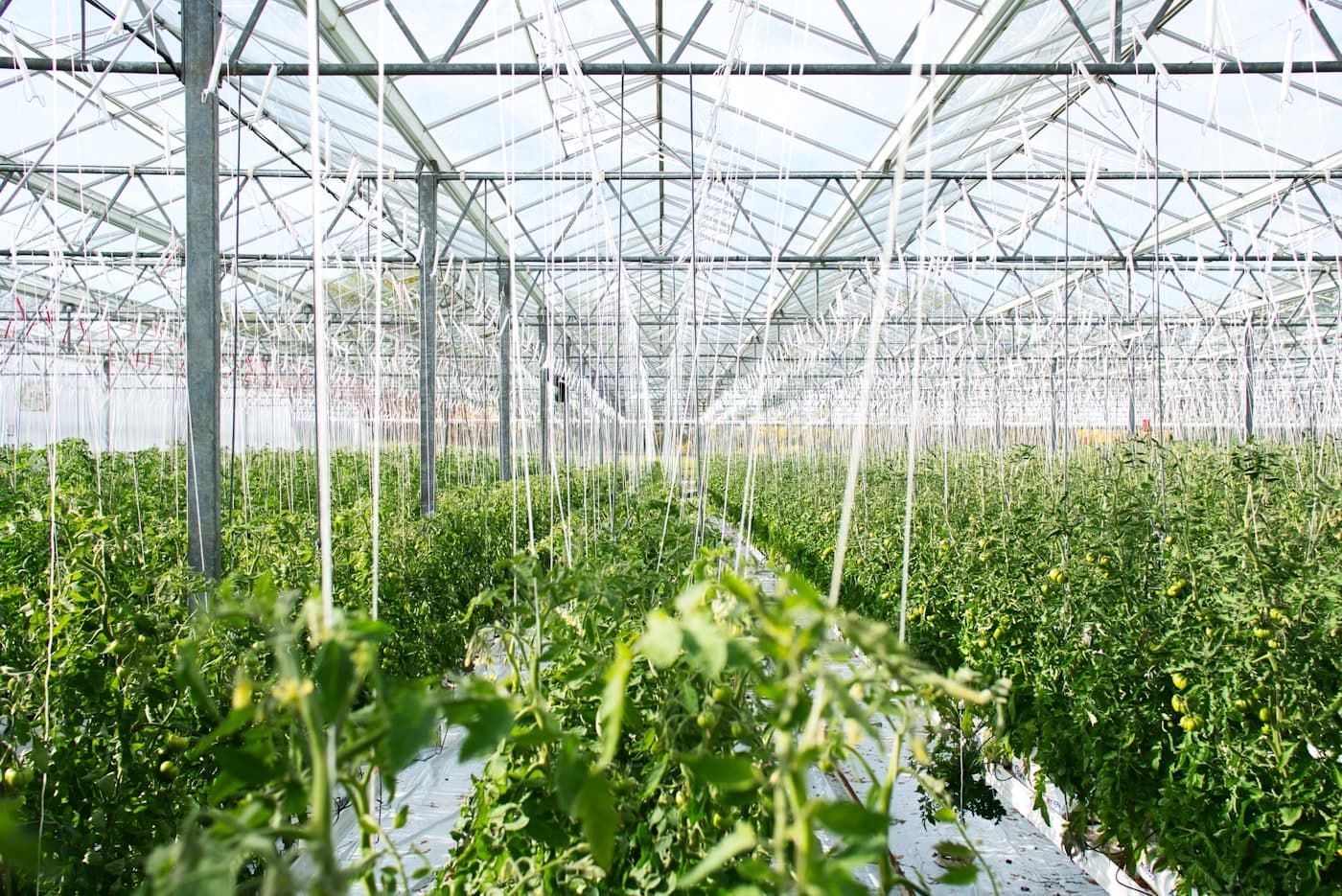
An NFT system is only as good as the brain running it. The strength of the nutrient solution and how acidic it is both have to stay in a narrow range, and the flow, temperature, and oxygen all need constant attention. At Eight Orbit, sensors track these numbers all the time and the controls make tiny adjustments on their own, the same climate intelligence we use across our greenhouses.
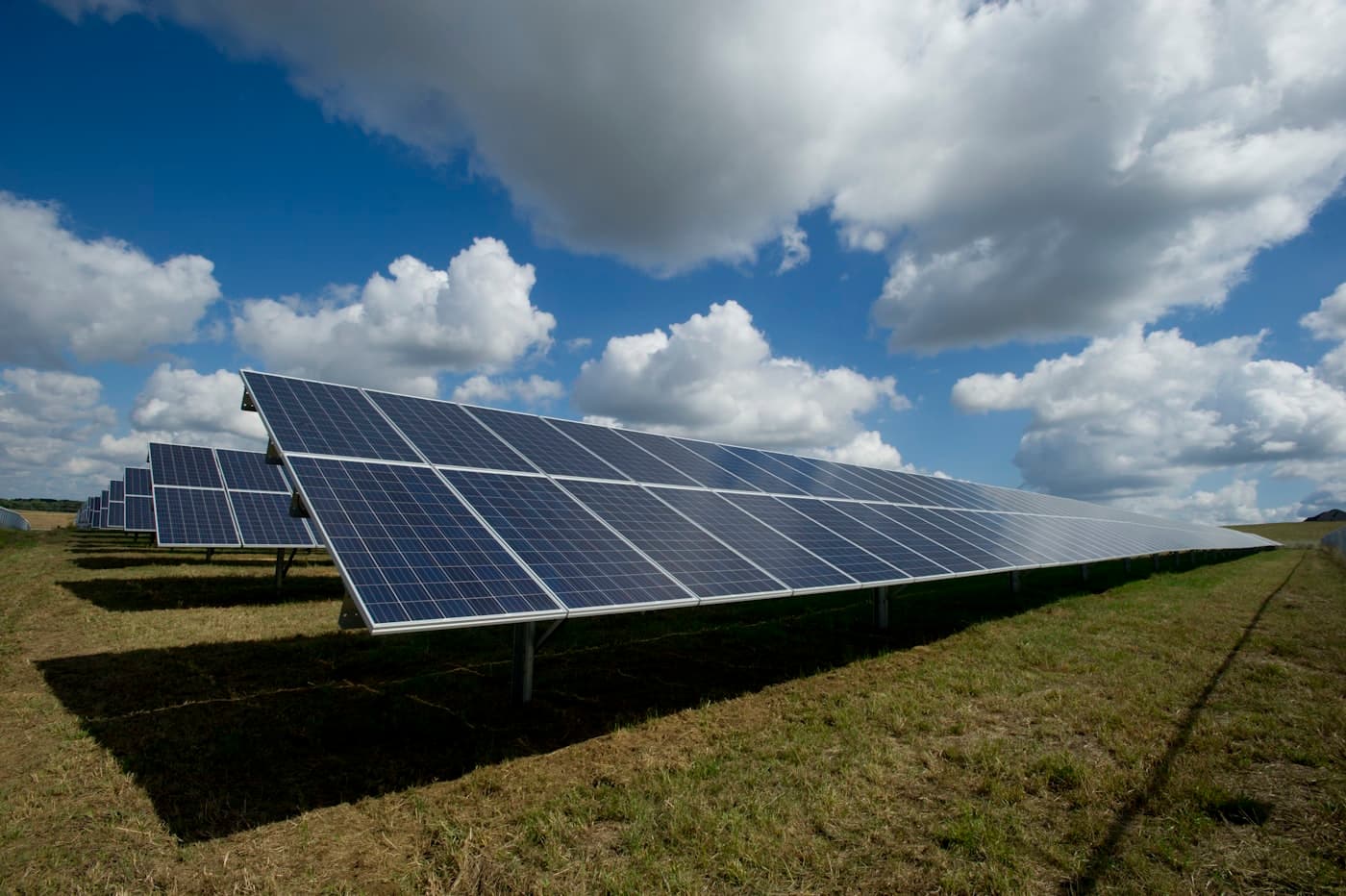
Keeping the pumps and controls going day and night takes reliable power, which is why our systems run on solar and renewable energy. And while hydroponics is soilless, our grip on plant nutrition comes from decades of soil biogeochemistry research, which is really the study of how nutrients and living things work together.
Why NFT fits Africa so well
NFT hydroponics answers several of the continent's toughest farming challenges at once. It cuts water use where water is precious. It removes the need for large areas of fertile land, so farms can sit near cities. It gets rid of chemical pesticides, so the food is cleaner. And it keeps supply steady, giving the same reliable harvest whether it is peak rainy season or the driest month of the year.
For a young, fast-growing population that needs fresh, affordable, healthy food every single day, that kind of reliability changes everything.
The bottom line
The Nutrient Film Technique shows that using less can mean growing more. By recycling a thin film of nutrient-rich water, NFT hydroponics delivers premium produce with up to 95% less water, no pesticides, and remarkable consistency. It is a big part of how Eight Orbit is building a water-wise food system for Africa.
Curious where this is heading? Read about the future of Controlled Environment Agriculture in Africa, look into the investment opportunity, or reach out to our team.
Eight Orbit Urban Farms
Building the future of food in Africa.
See how our Controlled Environment Agriculture, precision hydroponics, and renewable-energy systems come together, or partner with us on the mission.